


UV printer
Important Notes When Printing Premium PVC Plastic Cards Using UV Printers
The demand for PVC plastic card printing is increasingly growing across many sectors such as businesses, retail, education, and services. Modern UV printing technology, which is superior to traditional thermal printing, is also becoming more popular. However, investing in and operating UV printing requires careful preparation in terms of machinery, technical expertise, and software.
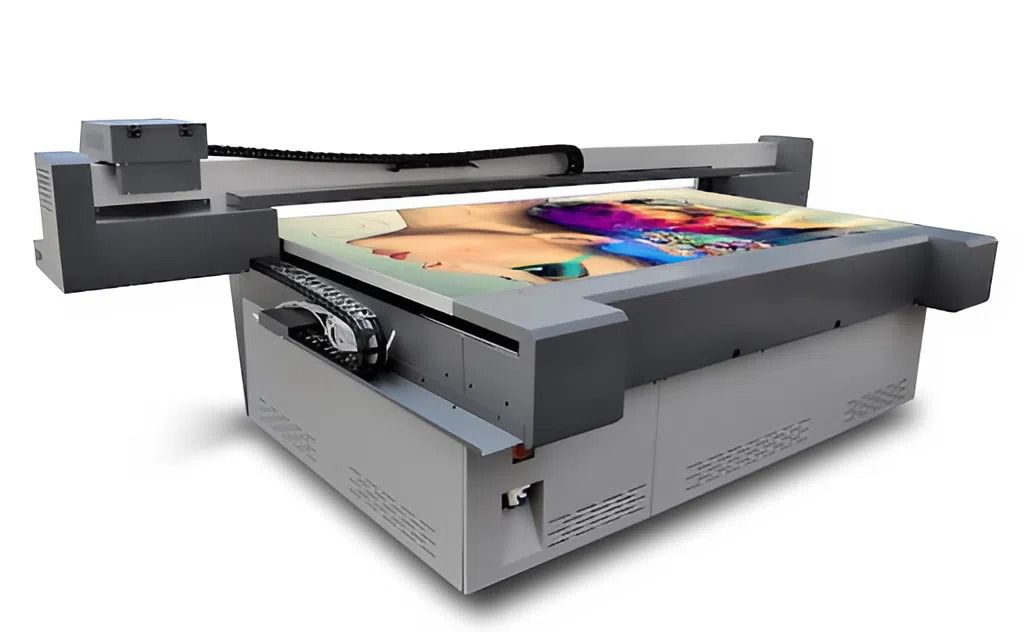
Requirements for UV Printer Resolution and Printhead Quality
When printing PVC plastic cards, resolution (DPI – Dots Per Inch) is the key factor determining the sharpness of images and text printed on the card. For premium plastic cards, small details such as QR codes, serial numbers, or intricate logos require appropriate resolution even more.
In practice, although some UV printers only reach 720 × 720 dpi, experts still recommend using a resolution of 720 × 1440 dpi or 1440 × 1440 dpi or higher to ensure that PVC plastic card printing quality meets premium standards. This DPI level helps produce sharp images, clear text, and minimizes jagged edges or blurring.
In addition, printhead quality also directly affects printing results. High-end UV printers need to have more precise ink droplet control, ensuring uniform colors without streaking or smudging, thereby enhancing aesthetic finishing and ensuring the professionalism and functionality of PVC plastic cards.
Leveraging the Power of RIP Software for UV Printers
When printing PVC plastic cards, RIP (Raster Image Processor) software plays a very important role in image processing, color management, and controlling the entire printing process. Especially with PVC plastic surfaces, which are more difficult to print on than regular paper, RIP helps ensure more accurate and stable color reproduction.
A notable advantage of RIP software is its effective white ink management capability. In UV printing technology, ink is composed of various components, and when printing on colored plastic cards or transparent cards, the underlying white ink layer determines color accuracy. With RIP, operators can control this white ink layer, avoiding color shifts or interference from the card’s background color.
In addition, RIP software also helps optimize printing costs. By calculating ink consumption and adjusting appropriate ink density, RIP helps reduce material waste, which is especially effective when printing PVC plastic cards in large quantities, bringing clear benefits to businesses.
Selecting Suitable Materials and UV Ink Types
When printing PVC plastic cards, the card surface is usually very smooth and has low ink adhesion, so choosing the correct ink type and printer is a decisive factor in final product quality. Not all inks are suitable, especially if the cards need to be used long-term in environments with frequent contact with hands, water, or chemicals.
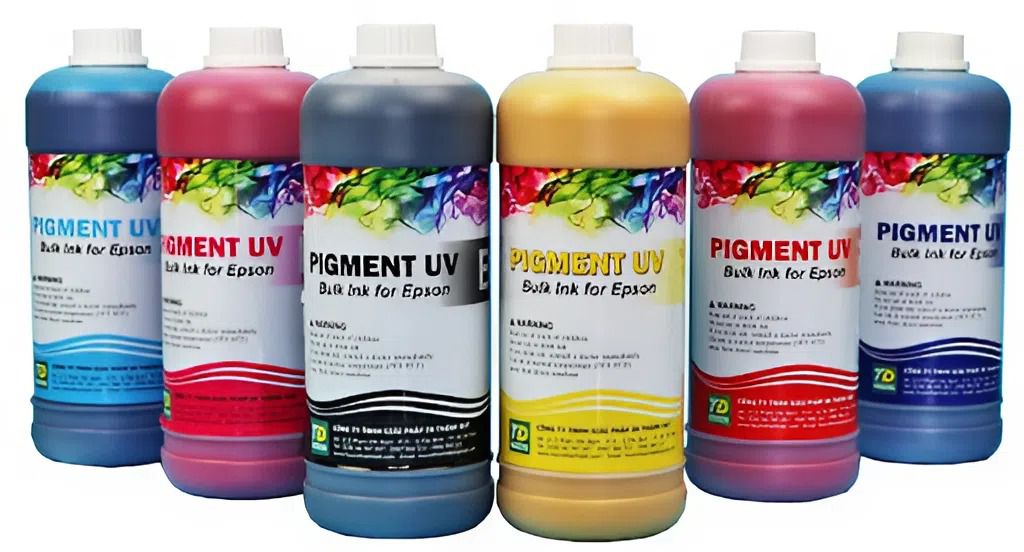
In practice, hard UV ink (Hard Ink) is the preferred choice. This type of ink dries almost instantly under UV light, forming a solid coating on the card surface. As a result, PVC plastic cards after printing have high durability, good scratch resistance, are waterproof, and are less affected by chemical agents during use.
Considering Investment and Operating Costs of UV Printers
In addition to ink, selecting a UV printer that matches the production scale is also very important. For small-quantity card printing or personal use, small-format flatbed UV printers such as A4 or A3 at a relatively reasonable price are suitable choices. These small flatbed UV printers are often suitable for printing on PVC plastic cards, cards, promotional items, and souvenirs; you can refer to the Sunruy SR-F-01 UV printer for hard surfaces.
Meanwhile, professional printing units or large-scale manufacturers often prioritize industrial UV printers in sizes 4060 or 6090 to ensure speed, stability, and efficiency when mass printing PVC plastic cards. When selecting UV printers for large-scale business or industrial production, priority should be given to models from reputable brands such as Zebra, ENTRUST…
When printing PVC plastic cards using UV technology on rigid devices, businesses need to carefully balance final product quality with long-term investment and operating costs. UV printers offer clear advantages in color durability, ink adhesion, and high aesthetics for plastic cards; however, achieving such high quality also requires a corresponding level of investment.
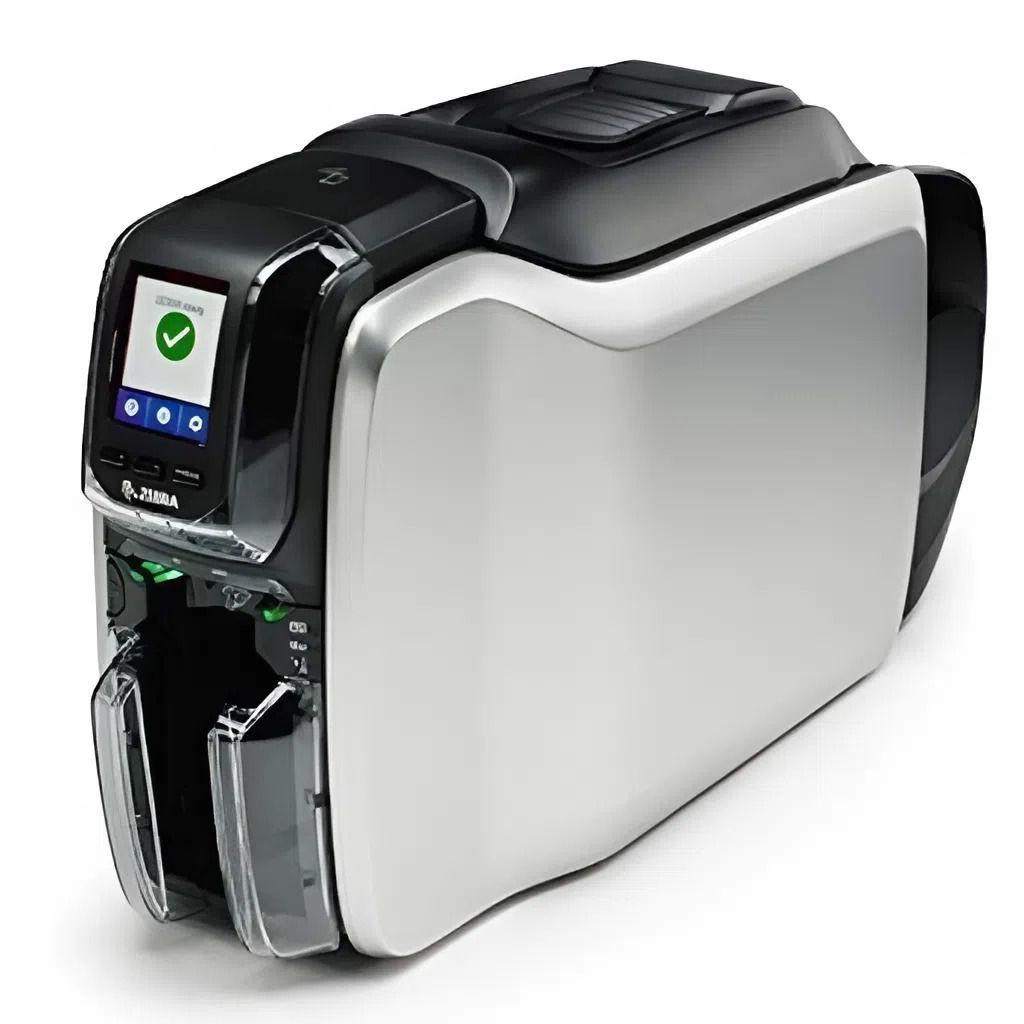
In terms of operation, training staff to proficiently use RIP software, along with periodic maintenance of the UV lamp system and printheads, will help ensure stable PVC plastic card printing and extend machine lifespan. In the long run, investing in the right UV printer model from the beginning will help businesses optimize costs and enhance product quality.
Nowadays, PVC plastic cards are not only identification tools but also the brand image of businesses. Investing reasonably in UV technology is precisely the way to optimize long-term operating costs for enterprises.
-
-
-
-
-
-
-
-
-
-
-
-
-
-
-
-
-
-
-
-
-
-
-
-